



Underfloor Heating: Is It Right for Your Home?
Underfloor heating does provide even warmth throughout a room freeing up wall space for other features. It is ideal for kitchens, bathrooms, extensions to properties, and areas being renovated. Floor-based warmth is not ideal solution for every property.
Before installation, homeowners may consider several factors that will influence whether it is appropriate for a property. These factors include:
- Floor construction
- Property insulation
- Room size
- Fuel type
- Running and budget costs
Additionally, boiler, heat pump, and type of flooring in the property will all play a part in installation decision. Having a property assessed could help determine whether underfloor heating will suit.
What is underfloor heating
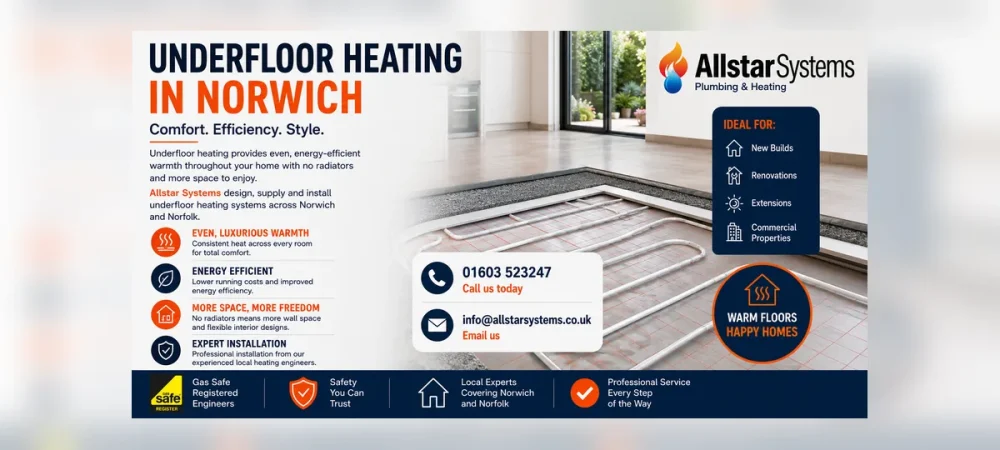
This setup works by heating floor underneath opposed to standard wall mounted radiators. This gives an even heat throughout creating more comfortable environment.
Floor-based warmth may be ideal who wish to have more design flexibility in their household. These options must suit a property and flooring in an installation.
How does it work
These type of systems are either wet or electric.
Wet setup involves installing pipework beneath flooring. Water heated from the boiler or heat pump runs through these pipes. This system is ideal for larger areas.
Electric setup involves mats beneath flooring. This setup is ideal for smaller areas, such as bathrooms. Installation of these mats is less involved than pipe-based option.
Wet or electric
There is no ideal answer for wet versus electric systems. This best setup for site depends on several factors.
Wet setups could suit within larger areas. It may be installed to work at lower flow temperatures than radiators. It is within homes with heat pumps or good insulation. This setup is more involved than electric option.
Electric setup could suit small rooms. It may be installed beneath tiled bathroom floors. Running costs of these systems may be greater than wet installations. This means an electric option is good choice in smaller, limited areas.
Main benefits
Primary benefit is even warming of rooms, warming from finished surface means there is no reliance on radiators.
Freeing up wall space allows more design flexibility in a property. This is ideal within kitchens, bathrooms, and living areas.
Wet options could warm to lower flow temperatures than radiators that may be in a home. Pipe- based option could be part of an energy efficiency strategy within a household.
Possible Drawbacks
This type of upgrade may involve disruption, as floors may need lifting, preparation or adjustment. It is best suited to properties being renovated or extended.
There are also costs to factor in. Pipe-based option are more costly to install than electric based option mats. Electric setups may be cheaper to install but may cost more to run.
Finally, consider the type of flooring in a household. Stone and ceramic tiles are best for underfloor setup. Engineered wood or carpet floors may also be able to accommodate floor warming options but may require specific checks on the type and thickness of the flooring.
Is it right for older homes
Fitting this type of upgrade maybe an appropriate heat strategy within older homes. A professional surveyor could inspect the home to ensure that the floor height, insulation, and u values are appropriate within design of a floor warming setup.
Underfloor heating within Norwich and Norfolk
Underfloor systems may be appropriate within extensions, bathrooms, kitchens, and living areas in Norwich and Norfolk properties. Coastal, rural, modern properties may have different requirements.
A professional survey could assess whether fitting this type of upgrade will be appropriate within a household within Norwich and Norfolk prior to installation.
Need help with a system upgrade
If you live within Norwich or Norfolk, Our engineers could help you determine the best type of system for your household. Whether it be underfloor heating, boiler upgrades, or control systems. Get in touch with our engineers today.
FAQs About Underfloor Heating
What is underfloor heating?
Underfloor heating is a system installed beneath the floor to warm a room from below rather than relying only on wall-mounted radiators.
What are the main types of underfloor heating?
The two main types are wet underfloor heating and electric underfloor heating.
Is wet underfloor heating better than electric?
Wet systems often suit larger areas and renovations. Electric systems often suit smaller rooms, bathrooms and comfort heating.
Is underfloor heating expensive to install?
It can cost more to install than standard radiators, especially wet systems. However, costs depend on the room size, floor structure and project type.
Does underfloor heating work with boilers?
Yes, wet underfloor heating can work with suitable boilers. However, the design, controls and water temperature need careful planning.
Does underfloor heating work with heat pumps?
Yes, it can work well with heat pumps because both can suit lower flow temperatures. However, insulation and heat loss still matter.
Can underfloor heating replace radiators?
Sometimes. It depends on the room size, heat loss, insulation, flooring and system design. Some homes work better with a mixed setup.
What flooring is best for underfloor heating?
Tiles often work very well. Some vinyl, laminate, engineered wood and carpets may also suit, but manufacturer guidance should always be checked.
Is underfloor heating good for bathrooms?
Yes, it can work well in bathrooms, especially with tiled floors. However, towel radiators may still be useful.
Is underfloor heating worth it in an older home?
Sometimes. Older homes need careful assessment because floor construction, insulation and heat loss can affect performance.